
Why Iran’s Capital Market Remains Disconnected from Global Exchanges: Causes, Opportunities, Limitations, and Practical Solutions


Introduction
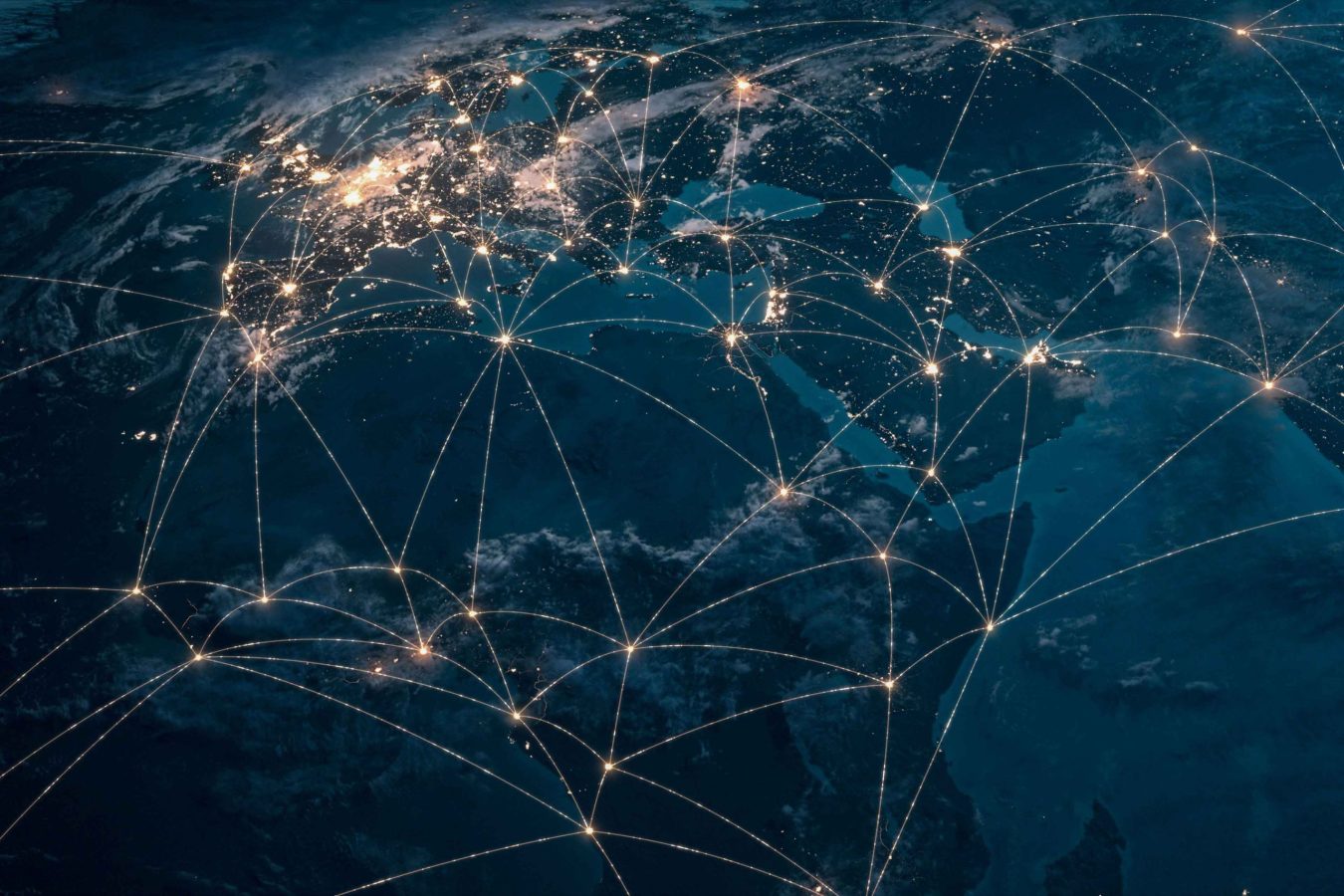
Integration with global capital markets is a key driver of transparency, liquidity, and foreign investment flows. For emerging markets, establishing links with international exchanges, clearing systems, and custody networks enables significant growth.Iran’s capital market, however, remains largely isolated from major global exchanges due to a combination of political, regulatory, financial, and operational barriers. This paper examines the core reasons behind this disconnection, the opportunities that still exist, the structural limitations, and possible pathways forward.
1. Key Reasons for the Lack of Integration
1.1 International Sanctions and Legal/Banking Restrictions
Global financial sanctions have severely limited Iran’s access to international banking systems, cross-border settlements, and correspondent banking. International institutions face compliance risks and potential penalties, discouraging them from interacting with Iranian entities. As a result, foreign investors cannot rely on standard financial channels to settle trades or repatriate capital.
1.2 Absence of Connections With Global Clearing & Custody Systems
Most internationally accessible markets are connected to global clearing houses (Euroclear, Clearstream, ICSDs) or offer equivalent settlement infrastructure. Iran’s capital market lacks such connections, making it impossible for institutional investors to securely hold, settle, and transfer Iranian securities through recognized global platforms.
1.3 Capital Controls and Currency Transfer Restrictions
Heavy capital controls, uncertainties around currency conversion, and limited channels for repatriating funds create significant risks for foreign investors. Even when investment opportunities exist, the inability to guarantee exit routes and currency transfer reduces the appeal of entering the market.
1.4 Reporting Standards and Corporate Governance Challenges
Large institutional investors rely on high-quality financial reporting (IFRS or equivalent), transparency, and strong governance practices. Perceived gaps in these areas—alongside state influence in certain sectors—remain deterrents to full integration with the global investment community.
2. Opportunities That Still Exist
Despite structural barriers, Iran’s market features several characteristics that may be attractive to international investors under the right framework:
2.1 High-Potential Sectors
Industries such as technology, renewable energy, mining, infrastructure, and healthcare have strong domestic demand and meaningful long-term growth potential.
2.2 Investor Appetite for Emerging Markets
Global investors increasingly seek diversification into frontier and emerging markets with higher long-term returns. With the right risk-mitigation structures, select Iranian assets could appeal to this segment.
2.3 Technological and FinTech Pathways
Advancements in blockchain, digital custody, and alternative settlement mechanisms create new possibilities for structuring cross-border transactions—even in restrictive environments—when combined with robust legal frameworks.
3. Main Structural Limitations
- High levels of geopolitical and sanctions-related risk
- Lack of internationally recognized settlement channels
- Currency volatility and repatriation challenges
- Inconsistent corporate governance and transparency standards
- Limited access to global investors due to regulatory barriers
4. Practical Pathways and Potential Solutions
Note: Some solutions require regulatory reform, international negotiations, or specialized legal structuring. Sanctions compliance must always be considered.
4.1 Technical and Infrastructure Solutions
- Develop or partner with regional custody/clearing institutions to offer secure settlement through third-country financial centers (e.g., Dubai, Istanbul).
- Upgrade the local CSD and align systems with global technical standards to increase future compatibility with ICSDs.
4.2 Legal and Regulatory Pathways
- Establish clearer frameworks for the inflow/outflow of foreign capital, including guaranteed repatriation mechanisms for approved projects.
- Provide transparent AML/CFT compliance documentation aligned with global expectations to facilitate due-diligence by international institutions.
4.3 Financial Structuring Solutions
- Use SPVs (Special Purpose Vehicles) incorporated in neutral jurisdictions to structure foreign participation and reduce compliance uncertainty.
- Focus on export-oriented or foreign-currency-generating projects to mitigate investors’ currency-conversion risk.
- Offer hedging arrangements or profit-guarantee structures through third-party partners where legally permissible.
4.4 Improving Transparency and Investor Confidence

- Adopt IFRS reporting standards more broadly and encourage third-party audited financial disclosures.
- Prepare professionally structured data rooms and standardized investment documents for priority projects.
- Provide externally validated risk assessments to foreign investors.
5. Priority Actions for a 6–12 Month Roadmap
- Identify 2–3 pilot investment projects with strong foreign-currency income potential.
- Structure cross-border investment models using third-country SPVs with clear governance and exit mechanisms.
- Develop compliance, financial reporting, and legal documentation in English aligned with international standards.
- Engage with reputable regional custodians or financial firms to explore secure settlement structures.
Conclusion
Iran’s capital market remains disconnected from global exchanges due to a mix of legal, political, technical, and financial limitations. Despite these challenges, meaningful opportunities exist—particularly in high-growth sectors—if supported by appropriate legal structuring, transparent reporting, and robust risk-management mechanisms.By pursuing phased technical upgrades, enhancing governance standards, and leveraging regional financial centers, Iran can gradually open pathways for selective foreign investment while laying the groundwork for long-term integration with international capital markets.